Featured
Table of Contents
Visual identity begins with logo design advancement that catches brand personality and works across applications. The implementation roadmap translates brand method into actionable efforts with timelines, ownership, and success metrics.
Begin by auditing present brand touchpoints to determine spaces between current state and wanted brand experience. Organizations using monday work management can produce implementation roadmaps with Gantt charts that visualize reliances and timelines, while Workload View helps balance group capacity across brand initiatives. develop a basic prioritization matrix with "Effect" on one axis and "Effort" on the other.
Building Resilient Identities for the 2026 MarketMeasurement systems track brand name health in time and connect brand name investments to organization results, enabling data-driven optimization and stakeholder communication. Efficient measurement combines leading signs like awareness and perception with lagging indicators like income and market share. Specify a core set of brand name metrics aligned with strategic goals: Brand name awareness and consideration.
Succeeding in the Age of AEO and GEO
Client lifetime value and retention. Share of voice in your market. Develop standard measurements and set reasonable targets based upon market criteria and company goals. Organizations all set to scale their brand name marketing efforts can deploy these advanced methods listed below that drive measurable growth through coordinated, cross-functional execution. Each technique addresses specific growth obstacles while enhancing general brand positioning: coordinate brand-building activities throughout awareness, consideration, and choice stages to create seamless consumer journeys that transform awareness into revenue.
take advantage of complementary brand names' audiences and trustworthiness to expand reach and improve placing through co-marketing efforts. establish thought management and build trust through important, instructional content that addresses customer obstacles and shows proficiency. engage consumers and prospects in continuous discussion that shapes brand development while developing belonging and commitment. produce remarkable brand name interactions through occasions, installations, and immersive experiences that show brand name values. Brand marketing measurement has actually moved beyond periodic studies to always-on presence through control panels that connect brand signals straight to service outcomes.
Modern measurement frameworks close that space by tracking brand health alongside industrial performance. This offers teams a clearer way to prove value, improve investments, and make smarter decisions about where brand name efforts will have the greatest impact. Metric categoryKey indicatorsMeasurement methodReporting frequency AwarenessAided/unaided awareness, share of voice, top quality search volumeSurveys, media monitoring, search analyticsQuarterly surveys, monthly digital metrics PerceptionBrand attributes, NPS, belief, considerationSurveys, social listening, market researchQuarterly surveys, continuous social monitoring EngagementWebsite metrics, content usage, social engagementWeb analytics, material analytics, social analyticsWeekly or month-to-month Service impactCAC, LTV, conversion rates, retention, revenueCRM, marketing automation, financial systemsMonthly or quarterly The most important brand name metrics balance comprehensiveness with actionability.
like awareness and understanding provide early signals of brand name health changes, allowing proactive changes before service effect becomes apparent. like customer life time value and market share validate whether brand investments equate into organization outcomes. Effective brand control panels consolidate metrics from several sources into unified views that allow quick assessment and informed decision-making.
Essential PR Trends to Watch in 2026
Groups using monday work management construct adjustable control panels with drag-and-drop widgets that display live brand name information. Combinations with analytics platforms, marketing automation systems, and CRM platforms create automated information streams that remove manual reporting while offering real-time visibility into brand efficiency. Reliable brand measurement shows how brand financial investment influences real company results.
For example, you can take a look at how consumers who acknowledged the brand name before very first contact carry out compared to those who did not, taking a look at conversion rates, offer size, and retention. This kind of analysis makes the impact of brand name activity noticeable and supplies clear evidence to support continuous financial investment in brand-building.
AI applications likewise deal with typical brand management obstacles: maintaining consistency throughout teams, managing growing asset libraries, monitoring brand name understanding in real-time, and forecasting brand performance. Imagine the innovative work your team could achieve by automating regular brand compliance checks. AI makes this possible through intelligent automation that manages regular work while groups concentrate on method and creativity.
AI-powered analysis analyzes material against brand guidelines to recognize inconsistencies before publication, guaranteeing all customer-facing materials line up with brand name standards. examines composed content to verify positioning with brand name voice principles. examines visual material to validate appropriate logo design usage, color application, and design pattern adherence. These automated checks catch inconsistencies that manual evaluation might miss, particularly when reviewing high volumes of material.
Building Resilient Identities for the 2026 MarketManaging Digital Identity in the Age of AI
Automation assists bring order by making assets much easier to find, share, and use properly. Rather of relying on stiff folder structures, teams can locate the ideal files using smart search. Automated variation control and rights management make sure everyone is dealing with authorized, up-to-date assets, while notices alert teams when use rights are ending or brand-new variations are offered.
AI-powered sentiment analysis procedures this data continually, identifying trends, styles, and anomalies that suggest brand health modifications. Organizations utilizing monday work management can even take advantage of AI Blocks to classify brand name feedback at scale, identify belief in client interactions, and sum up complex data into actionable insights. Digital Workers keep an eye on brand name points out across channels and produce action items when intervention is required.
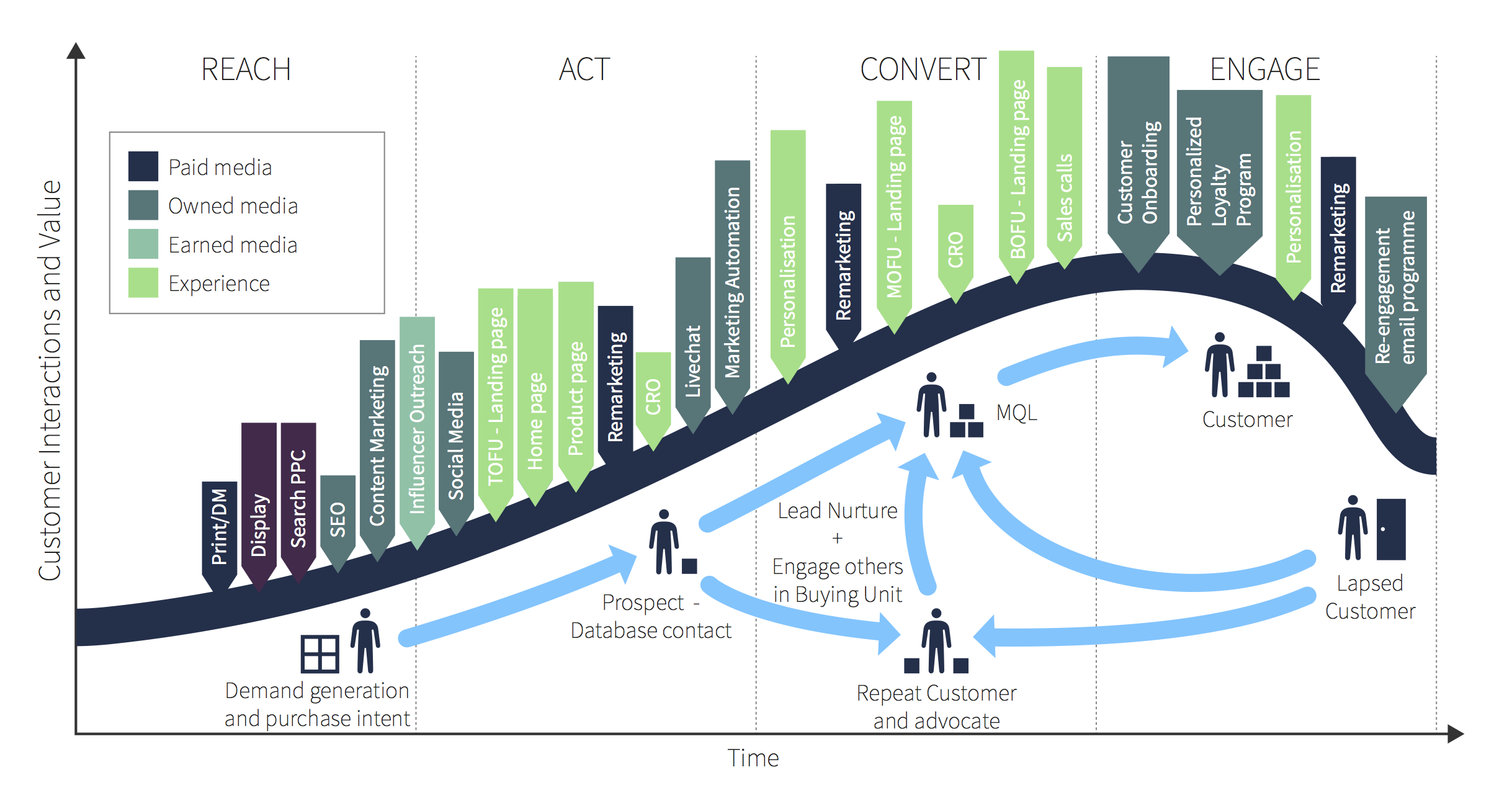
Traditional methods utilizing spreadsheets, email, and disconnected systems create coordination obstacles, version control problems, and exposure gaps that slow execution and compromise brand name consistency. Organizations using monday work management for brand marketing report much faster campaign execution and enhanced brand name consistency throughout touchpoints. The platform eliminates typical pain points: lost files, uncertain ownership, missed out on deadlines, and inconsistent approvals.
Campaign boards organize all campaign aspects in unified views where teams see the complete scope, track development, determine traffic jams, and coordinate handoffs. When material is all set, distribution groups get notifications.
Essential PR Shifts to Watch in 2026
Customized fields capture asset metadata like usage rights, expiration dates, and approval status, making it possible for sophisticated filtering and search. Approval workflows route properties through defined evaluation processes, capturing feedback, tracking revisions, and documenting last approval. The audit path programs who approved what and when, supplying responsibility and compliance documents. Brand name marketing needs coordination across marketing, innovative, sales, item, and executive groups who need various levels of gain access to and different views of brand name efforts.
Cross-functional exposure guarantees positioning without frustrating teams with irrelevant info. Real-time performance tracking connects brand name activities to outcomes, making it possible for data-driven optimization and showing ROI to stakeholders.
AI-powered insights examine efficiency data to recognize patterns, abnormalities, and optimization chances. The system can flag projects underperforming expectations, highlight content types producing extraordinary engagement, or predict future efficiency based upon existing patterns. Brand name technique only works when it jumps off the planning file and begins affecting how everybody in your business talks to clients.

Latest Posts
Comparing Traditional and Digital Media Models
How Modern Marketing Influences AI Search Rankings
New Insights of Brand Strategy for 2026